01
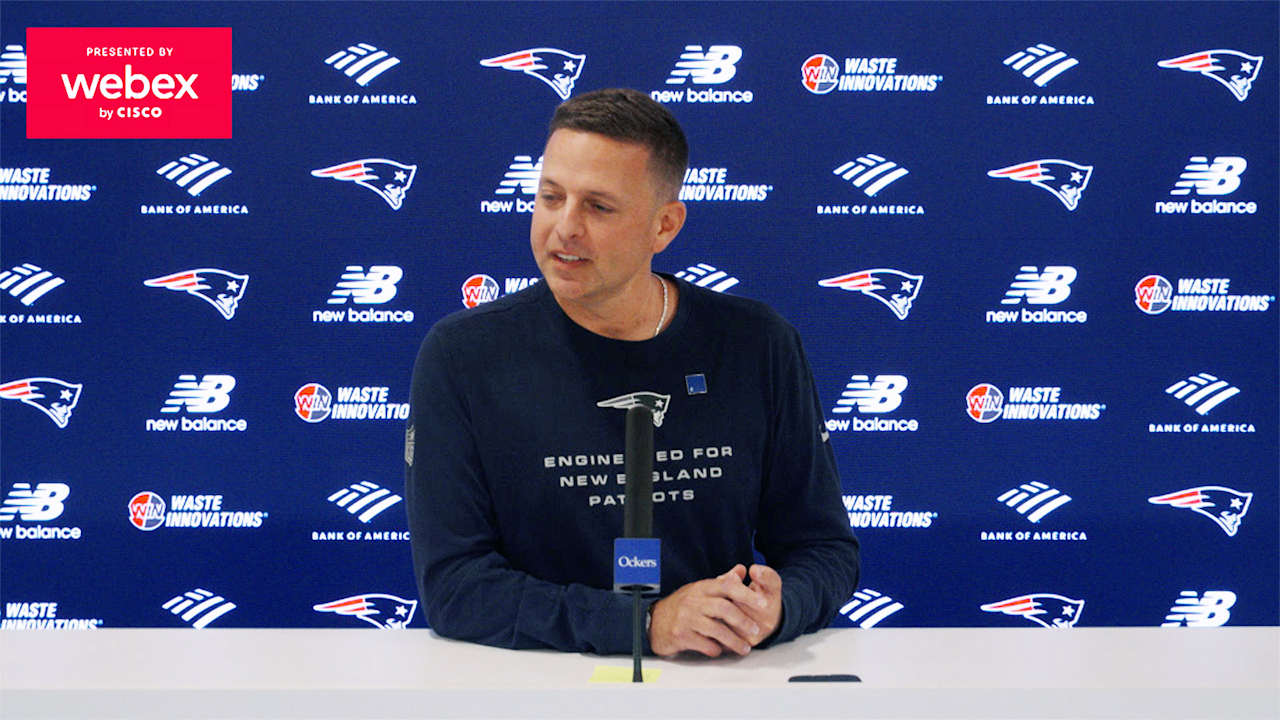
Eliot Wolf explains the Kayshon Boutte trade
Personnel-chief explanation of New England's receiver surplus and interest in Jaylen Reed.
 webSource preview · opens the original↗Open original →
Cut-week trades show how a crowded position room can become a useful player, a future asset, or both before the release deadline.

01
Personnel-chief explanation of New England's receiver surplus and interest in Jaylen Reed.
webSource preview · opens the original↗Open original →02
Club confirmation of the White-for-Jones exchange and related roster moves.
 webSource preview · opens the original↗Open original →
03
Official current record of trades, signings, waivers, and releases.
 webSource preview · opens the original↗Open original →