Doctors built a personalized CRISPR therapy for one infant in about six months

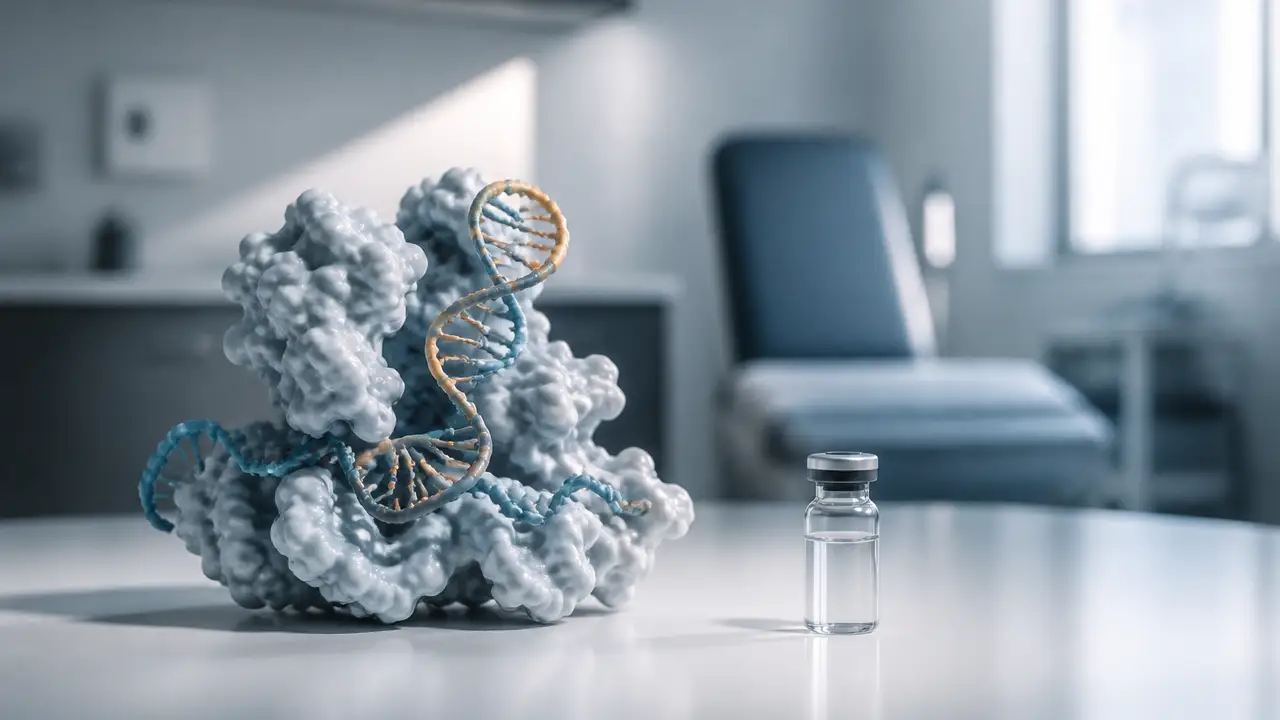
Doctors built a personalized CRISPR base-editing therapy for an infant with a lethal rare disorder in about six months. The case shows a reusable editing platform can be tailored to one mutation. It is feasibility for an urgent case, not a ready path for thousands of rare variants.

01

web · Penn Medicine

World's first patient treated with personalized CRISPR therapy

Clinical team's account of KJ's diagnosis, rapid custom base-editor development, dosing, early outcome, collaborators, and funding.

webSource preview · opens the originalOpen original →

What changed

A CHOP and Penn team designed, tested, cleared, and administered an in-vivo base-editing therapy matched to one infant's CPS1 mutation. The treatment used lipid nanoparticles to reach liver cells and a custom guide to correct the harmful DNA letter. KJ tolerated several doses, increased dietary protein, and handled viral illnesses without the severe ammonia crisis clinicians feared. The larger advance is organizational: researchers reused known components while changing the sequence-specific part for one urgent patient.

02

web · New England Journal of Medicine

Patient-Specific In Vivo Gene Editing to Treat a Rare Genetic Disease

Peer-reviewed case report describing therapy design, regulatory preparation, dosing, biochemical response, safety observations, and limits.

webSource preview · opens the originalOpen original →

What remains unproved

One child's early response cannot establish durable benefit, late side effects, or safety across other genes and organs. Editing efficiency varies by genomic target, and many disorders cannot be reached with the same liver-directed delivery system. Each custom sequence still needs design, manufacturing, quality checks, preclinical evidence, regulatory review, and long follow-up. Cost and access could remain severe barriers. The result supports a platform idea, but it does not mean clinicians can now order bespoke CRISPR treatments on demand.
03

web · National Institutes of Health

Infant receives first personalized gene-editing treatment

Federal research summary explaining the reusable platform concept, the disease mechanism, early clinical response, and NIH support.

webSource preview · opens the originalOpen original →

What to watch

Follow KJ's long-term liver function, development, immune response, off-target monitoring, medication needs, and any later adverse effects. Beyond this case, watch for additional patients treated through shared manufacturing and regulatory processes rather than wholly separate programs. A credible platform should shorten design-to-dose time while preserving independent review and full quality control. Public evidence on cost, failed candidates, and mutations that cannot be edited will matter as much as the next successful treatment.

04

web · Associated Press

Gene editing helped a desperately ill baby thrive

Independent report placing the result in the context of rare-disease medicine and the practical barriers to repeating it for other families.

webSource preview · opens the originalOpen original →
View this collection on HRVSTR →