Collection
Going to a Celtics game? Check the bag before leaving home
TD Garden's size limit applies to clear bags, too.
5 sources / Updated September 7, 2026
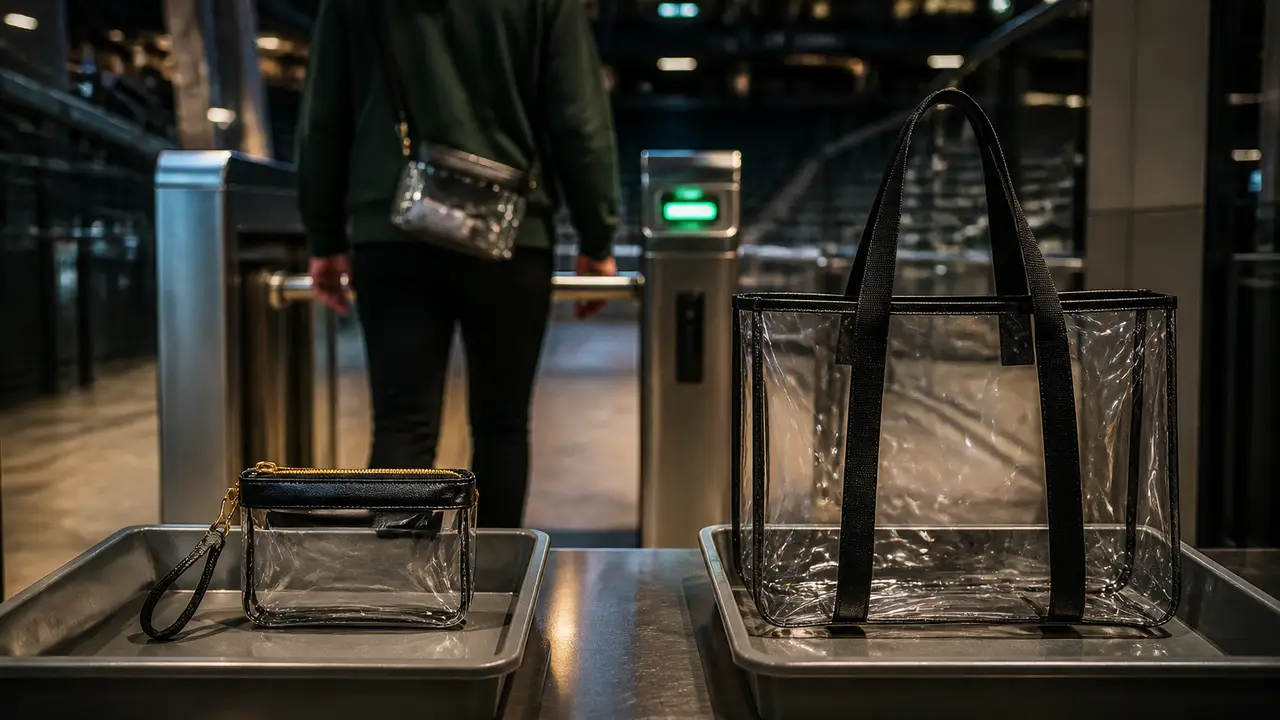
A small clear bag is not automatically an approved bag at TD Garden. The arena's posted policy limits ordinary bags to 6 inches by 4 inches by 1.5 inches, including clear bags.
Small clutches, crossbody bags and wristlets may qualify if they meet that limit. The policy makes exceptions for diaper bags, breast pump bags and medically necessary bags, which are subject to screening. Guests seeking an accommodation are asked to contact customer service 24 hours before the event.
There is also an on-site option for oversized bags: Event Bag Check on Level 1, on the east side of North Station near the box office. The posted fee is $15. Hours may vary.
For a Celtics night, make the bag decision before the trip. Recheck the arena's current policy for the specific visit, particularly if carrying necessary equipment or arriving straight from work.
Source: TD Garden Policies.
Tickets and the return trip
The arena's A-Z guide says events use mobile tickets. It lists bag-check hours as two hours before the event until one hour afterward, with variation possible.
If using bag check, leave time to collect belongings after the game before heading for a train. The attached CBS Boston video is dated February 2024 and documents the policy change then. For current limits and exceptions, use the venue pages linked above.
Why older guidance can be confusing
The venue's Evolv screening FAQ was prepared for the system introduced in February 2024. It describes holding a phone while walking through, leaving keys and wallets in pockets and having a ticket ready for the usher beyond the screening point.
That document also describes the bag-storage arrangement used at its introduction. It should not override the current policy page's storage location or hours. The difference is a useful warning for fans finding an old video or saved PDF through a search: a genuine arena document can still describe an earlier procedure.
For your game, use the current bag policy to decide what to bring and where to check it. Follow staff directions at the entrance for screening. Keeping those two decisions separate avoids treating a historical explainer as a complete set of current arrival instructions.